
There is no reliable clinical evidence that CBD treats, cures, prevents or shortens a cold or influenza. Some adults may consider CBD for cold and flu discomfort, but possible drowsiness, medication interactions, liver effects and inaccurate product labels matter. Smoking or vaping cannabis is a separate issue and may irritate a sore throat, cough and already-sensitive airways.
Quick Answer: CBD for cold and flu is not an established treatment. Do not use it instead of appropriate testing, prescribed antiviral medicine or medical care. If your throat or lungs are irritated, avoiding cannabis smoke and vapor is the more cautious choice.
Table of Contents
CBD for Cold and Flu at a Glance
The online discussion around CBD for cold and flu often combines three different questions: whether CBD fights a virus, whether it changes symptoms and whether smoking cannabis while sick is a good idea. These questions require different answers.
| Question | Evidence-based answer |
|---|---|
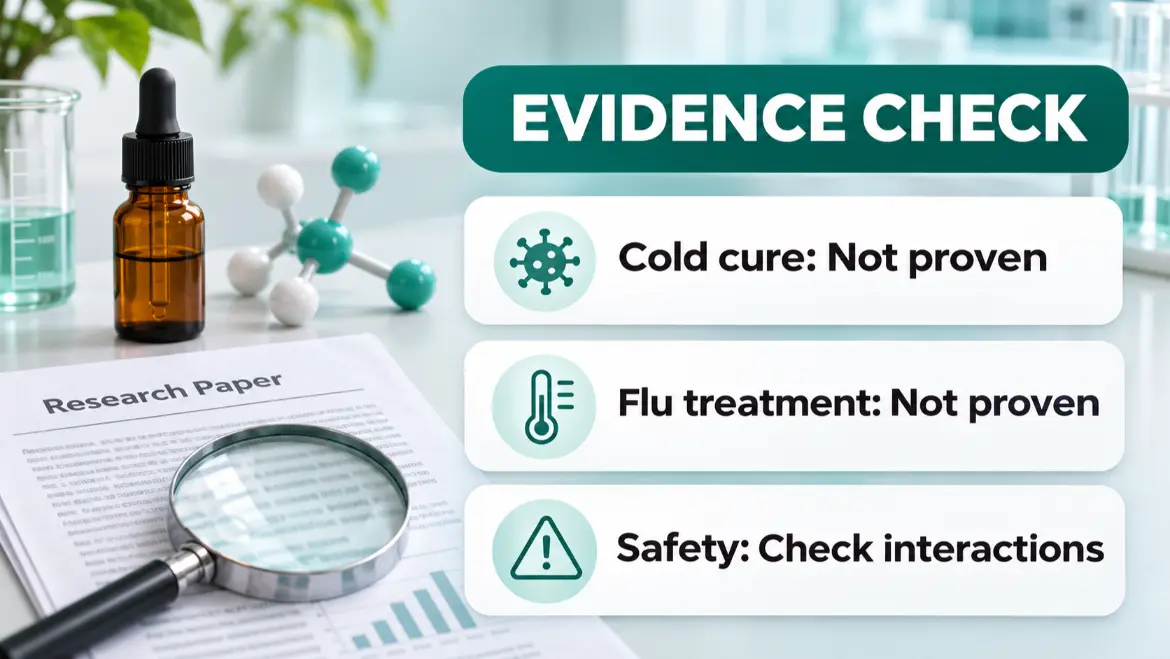
| Does CBD cure a cold? | No clinical evidence establishes CBD as a cure for the common cold. |
| Does CBD treat influenza? | CBD is not an approved influenza treatment and should not replace antiviral care. |
| Can CBD shorten the illness? | This has not been demonstrated in reliable human clinical trials. |
| Can CBD make you sleepy? | Yes. Changes in alertness and sleepiness are recognized possible effects. |
| Is smoking weed helpful for a cough or sore throat? | Smoke can irritate the throat and airways and may worsen coughing or discomfort. |
| Can CBD interact with medicine? | Yes. CBD can affect how some medicines work, and other medicines can alter CBD exposure. |
| Is every retail CBD product accurately labeled? | No. Strength, THC content and contaminants may not always match expectations. |
The practical conclusion is simple: CBD for cold and flu should not be presented as an antiviral remedy. Anyone considering a cannabinoid product while sick should first think about symptom severity, current medicines, respiratory irritation and whether early flu treatment is needed.
A responsible discussion of CBD for cold and flu must separate possible changes in comfort from evidence that an illness is actually being treated.
What Current Evidence Shows About CBD for Cold and Flu
The common cold and influenza are viral respiratory illnesses, but they are not the same disease. Colds are caused by many viruses and usually improve on their own. Influenza can be more severe and may require early antiviral treatment, particularly for people at higher risk of complications.
Research on CBD includes laboratory experiments, animal studies and clinical work involving other conditions. That does not prove that an over-the-counter CBD oil treats a respiratory virus in people.
A peer-reviewed review examining CBD and viral diseases concluded that clinical evidence was lacking, despite unsupported treatment claims appearing online. Laboratory findings are useful for generating research questions, but they cannot establish that CBD for cold and flu works in an actual patient.
The FDA’s current consumer guidance on CBD also warns that many products are marketed with unproven medical claims. The agency has approved one purified prescription CBD medicine for certain seizure disorders, not for a cold, influenza, cough or sore throat.
Laboratory Findings Are Not Cold or Flu Treatments
It is easy for an article or advertisement to turn words such as “anti-inflammatory,” “antiviral” or “immune support” into a treatment promise. That leap is not justified.
A substance can affect cells in a laboratory without producing a safe, useful effect at a realistic dose in humans. Researchers must still establish absorption, dose, safety, timing, interactions and meaningful clinical outcomes.
For that reason, CBD for cold and flu remains an unproven use, even when preliminary research sounds promising.
The central evidence problem with CBD for cold and flu is the absence of strong human trials measuring recovery time, complications or confirmed symptom improvement.
CBD Does Not Replace Flu Antivirals
Prescription flu antivirals have been studied specifically against influenza. According to the CDC’s flu antiviral guidance, these medicines work best when started within one or two days after symptoms begin, although treatment may still be appropriate later for some high-risk or seriously ill patients.
Using CBD for cold and flu must never delay a call to a healthcare professional when influenza is suspected—especially for older adults, pregnant people, young children or people with chronic lung, heart, metabolic or immune conditions.
CBD Is Not the Same as Weed or THC
CBD, or cannabidiol, is one cannabinoid found in cannabis. It does not normally produce the characteristic high associated with delta-9 THC.
“Weed” usually refers to cannabis flower or another cannabis product that may contain THC, CBD and additional cannabinoids. Its effects depend on the product, strength, route and individual response.
That distinction matters because the supporting questions around CBD for cold and flu frequently involve smoking weed rather than using a CBD-only product. Evidence about one compound or delivery method cannot automatically be applied to another.
Our HempLucid vs Sabaidee comparison illustrates how even products in the same broad CBD category can differ in format and positioning. Regardless of the brand, a product page is not evidence that CBD treats infection.
Product Labels May Not Tell the Whole Story
Retail CBD oils, gummies and capsules may be marketed as isolate, broad-spectrum or full-spectrum products. Full-spectrum products can contain THC, while even products marketed without THC may be mislabeled or contaminated.
The CDC’s overview of CBD notes that CBD use is not risk-free and warns consumers not to confuse CBD products with products containing THC.
Before considering CBD for cold and flu, read the ingredient list and check whether a batch-specific laboratory report matches the lot number. A certificate should identify CBD, THC and relevant contaminants, but a laboratory report still does not prove cold or flu effectiveness.
Choosing CBD for cold and flu without checking the finished product may also expose a user to unexpected THC or additional ingredients.
Does Weed Help With a Cold?
For people asking does weed help with a cold, there is no good evidence that cannabis eliminates the virus or makes a cold end sooner.
Some adults may report feeling more relaxed or sleepy after cannabis use. That subjective experience is not the same as treating the infection, improving lung function or reducing the duration of illness.
THC can also cause impairment, dizziness, anxiety, dry mouth or changes in perception. Those effects may be particularly unpleasant when someone is feverish, dehydrated or already taking sedating cold medicine.
The answer is therefore not that CBD for cold and flu or THC is a proven cold remedy. Comfort and disease treatment are different outcomes, and smoke adds its own respiratory risks.
Does Weed Help Flu?
If the question is does weed help flu, the safest evidence-based answer is no: cannabis is not an established influenza treatment.
Flu can cause sudden fever, chills, body aches, headache, cough and severe fatigue. Some people develop pneumonia or worsening of an existing medical condition. Feeling temporarily distracted from aches does not mean the infection or complication risk has improved.
Do not substitute cannabis or CBD for cold and flu symptoms for prescribed antiviral treatment. If you are at higher risk of severe flu or feel very unwell, contact a healthcare professional promptly because early treatment may matter.
Does Weed Help a Sore Throat?
People searching does weed help a sore throat may be hoping for pain relief, relaxation or easier sleep. However, inhaling smoke is likely to expose already-irritated tissue to heat, particles and chemical irritants.
Dry mouth from cannabis can also make the throat feel less comfortable. Sharing a joint, pipe, vape or mouthpiece while sick adds an avoidable hygiene risk and may expose other people to respiratory secretions.
There is no sound basis for recommending smoking as throat care. Warm fluids, adequate hydration, saline gargles when appropriate and honey for adults and children over one year old are more conventional comfort measures.
In short, CBD for cold and flu should not be inhaled with the expectation that it will soothe an infected or inflamed throat.
Smoking Weed With the Flu: Why the Route Matters
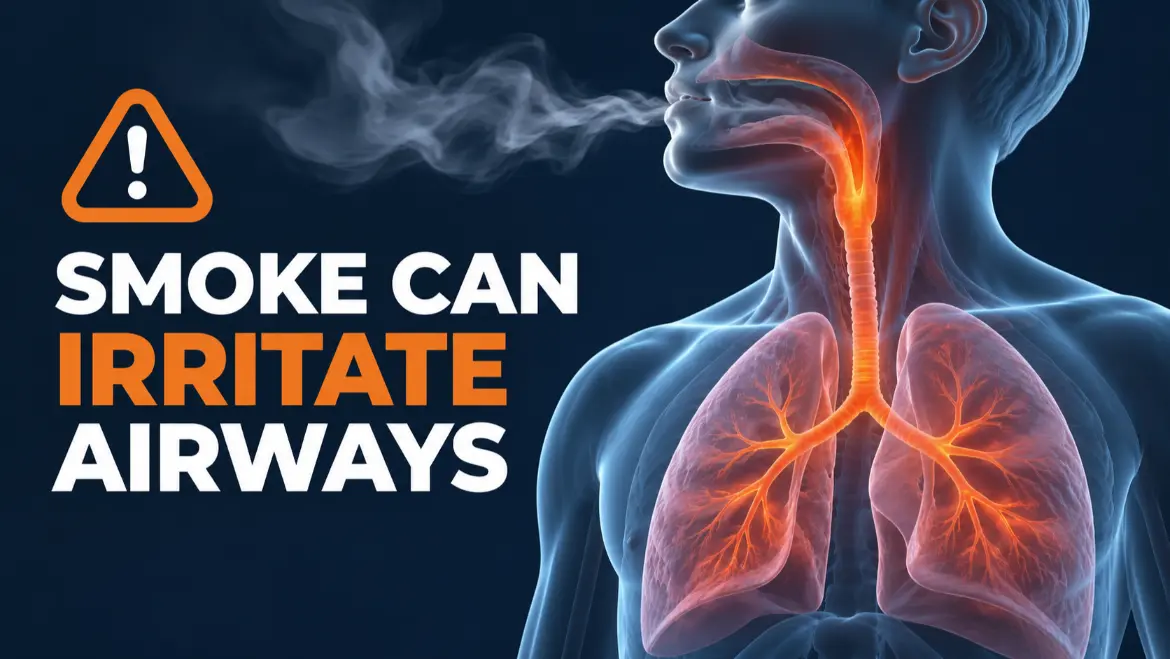
Smoking weed with the flu can place additional irritation on the respiratory system at a time when coughing, chest discomfort or airway sensitivity may already be present.
The CDC’s cannabis and lung health guidance states that cannabis smoke contains many of the same toxins and irritants found in tobacco smoke. Cannabis smoking is also associated with cough, mucus production and bronchitis symptoms.
This does not mean every person will experience the same reaction. It does mean that smoking is not a neutral delivery method.
Can Smoking Weed Make a Cold Worse?
If someone asks can smoking weed make a cold worse, the answer is that it can worsen how certain respiratory symptoms feel. Smoke may intensify coughing, throat irritation, mucus or chest discomfort even if it does not change the underlying virus.
It may also make it harder to recognize whether breathing symptoms are becoming serious. Anyone with shortness of breath, chest pain, blue or grey lips, confusion or rapidly worsening symptoms needs medical care—not another inhaled product.
Vaping should not be assumed harmless. Aerosols can also irritate airways, and unregulated cartridges can present additional ingredient and contamination concerns. Avoiding smoke and vapor is the cautious approach when the throat or lungs are already irritated.
For readers comparing inhaled hemp products, our LitFarms review offers brand context, but no flower product should be interpreted as a treatment for respiratory illness.
CBD and Cold-Medicine Interactions
Possible interactions are one of the most important considerations with CBD for cold and flu.
Even non-inhaled CBD for cold and flu may be unsuitable when it is combined with a sedating multi-symptom medicine or a drug affected by the same liver enzymes.
Many multi-symptom cold and flu products combine several active ingredients. Depending on the formula, these may include an antihistamine, cough suppressant, decongestant, pain reliever or sleep aid.
CBD can affect liver enzymes involved in processing medicines. It can also cause sleepiness in some people. Combining CBD with products that already reduce alertness may increase drowsiness, dizziness or accident risk.
The National Center for Complementary and Integrative Health cannabinoid guide identifies drug interactions, sleepiness, gastrointestinal effects and liver-related concerns among the known or possible CBD risks.

Medicines That Deserve Extra Attention
Ask a pharmacist or prescriber before combining CBD with:
- prescription antiviral medicine;
- sedating antihistamines or nighttime cold products;
- cough suppressants or combination cough syrups;
- medicines for anxiety, sleep, seizures or pain;
- blood thinners;
- medicines carrying liver warnings; or
- alcohol or other substances that increase drowsiness.
This list is not exhaustive. The exact interaction depends on the product, amount, timing, medical history and every other medicine or supplement being used.
Never take additional doses because symptoms continue, and never assume a “natural” label makes a combination safe.
Our Elyxr vs URB comparison shows why cannabinoid formats must be evaluated individually. When you are sick, the complete ingredient list matters more than broad wellness branding.
Other Safety Concerns With CBD for Cold and Flu
Besides interactions, CBD for cold and flu can introduce issues that are easy to overlook when someone already feels unwell.
Drowsiness and Impairment
CBD may cause sleepiness or reduced alertness. THC-containing products can impair coordination, judgment and reaction time. Do not drive or operate equipment after using an impairing or sedating product.
Stomach and Appetite Effects
CBD may cause diarrhea, reduced appetite or stomach discomfort. These effects can complicate hydration and food intake during an illness.
Liver Considerations
CBD has been associated with liver-enzyme elevations and can interact with medicines processed by the liver. People with liver disease or those using medicines with liver warnings should seek professional advice.
Pregnancy, Breastfeeding and Children
Do not give retail CBD products to children for cold or flu symptoms without direction from a qualified pediatric clinician. The FDA advises against CBD use during pregnancy and breastfeeding because of potential risks and major evidence gaps.
THC Exposure and Drug Testing
Some CBD products contain THC. That may lead to intoxication or a positive drug test, regardless of whether the label uses terms such as hemp, full-spectrum or legal.
These limitations are why CBD for cold and flu should not be treated like a routine home remedy.
What to Do for a Cold or Flu Instead
Most uncomplicated colds improve with time and supportive care. Flu care depends on severity, risk factors and how quickly treatment begins.
For higher-risk adults, CBD for cold and flu is not a substitute for asking promptly whether testing or prescription antiviral treatment is appropriate.
The CDC’s common-cold care guidance recommends practical symptom management and emphasizes that antibiotics do not work against cold viruses.

A Practical Sick-Day Plan
- Rest and drink fluids. Water, broth and other suitable fluids can support hydration.
- Test when appropriate. Flu, COVID-19 and other infections can produce overlapping symptoms.
- Contact a clinician early if you are high risk. Prescription antiviral treatment for flu or COVID-19 works best when started promptly.
- Use a clean humidifier or saline. These measures may make nasal or throat symptoms more comfortable.
- Choose medicines by active ingredient. Avoid accidentally doubling ingredients across multiple combination products.
- Avoid smoke and vapor. This removes a preventable source of airway irritation.
- Limit close contact while contagious. Follow current public-health advice about staying home, cleaner air and protecting other people.
Replacing evidence-based care with CBD for cold and flu can create delay without treating the cause of illness.
When to Seek Medical Care
Contact a healthcare professional promptly if you are at higher risk for severe flu or COVID-19, even if symptoms initially appear mild. Higher-risk groups can include older adults, pregnant people and those with certain chronic conditions or weakened immune systems.
Seek urgent medical care for warning signs such as:
- trouble breathing or shortness of breath;
- persistent chest or abdominal pain or pressure;
- confusion, inability to wake or severe dizziness;
- seizures;
- signs of dehydration or not urinating;
- severe weakness or unsteadiness;
- blue, grey or pale lips or skin;
- fever or cough that improves and then returns or worsens; or
- worsening of a chronic medical condition.
The CDC’s respiratory-illness warning-sign guidance advises immediate emergency care when serious warning signs occur.
Do not use CBD for cold and flu to postpone evaluation of breathing difficulty, chest pain, dehydration, confusion or rapidly worsening illness.
That caution should guide every decision about CBD for cold and flu.
Frequently Asked Questions
Can CBD Cure a Cold?
No. CBD has not been shown in reliable human clinical trials to cure the common cold. A cold usually improves on its own, while supportive care can help manage discomfort.
Marketing CBD for cold and flu as a cure would therefore go beyond the available evidence.
Can CBD Treat Influenza?
CBD is not an approved influenza treatment. People at higher risk of flu complications should contact a healthcare professional early because prescription antiviral treatment may be appropriate.
Does Weed Help With a Cold?
There is no strong evidence that weed clears the virus or shortens a cold. Some effects may change how a person perceives discomfort, while smoke can aggravate coughing, mucus and throat irritation.
Does Weed Help Flu Body Aches?
Cannabis should not be presented as a flu treatment. THC may also cause impairment, dizziness or anxiety and may interact with cold or flu medicines. Ask a healthcare professional about suitable symptom care.
Does Weed Help a Sore Throat?
Smoking weed is not recommended as sore-throat care. Heat and smoke can irritate sensitive tissue, while cannabis-related dry mouth may increase discomfort.
Is Smoking Weed With the Flu Dangerous?
It can add airway irritation and impairment during a respiratory illness. The risk is more concerning for people with breathing trouble, asthma, chronic lung disease or severe symptoms.
Can Smoking Weed Make a Cold Worse?
It may worsen cough, throat discomfort, mucus or chest irritation. Avoiding smoke and vapor while respiratory symptoms are present is the cautious option.
Can CBD Be Taken With Cold Medicine?
Do not assume the combination is safe. CBD can interact with medicines and increase drowsiness when combined with sedating products. Ask a pharmacist to review the exact ingredients and your current medicines.
Bottom Line
CBD for cold and flu is not a proven cure, antiviral treatment or method for shortening illness. Claims based on laboratory research, general inflammation discussions or personal stories do not establish that a retail CBD product works against a cold or influenza.
Smoking cannabis while sick can irritate the throat and airways, while CBD may cause drowsiness, stomach effects, liver concerns or medication interactions. Product labels can also be inaccurate or omit meaningful THC exposure.
If symptoms are mild, prioritize rest, fluids, appropriate testing and carefully selected symptom care. If flu is suspected and you are at higher risk—or if serious warning signs appear—contact a healthcare professional promptly rather than relying on CBD for cold and flu.
This article contains affiliate links. If you purchase through our links, we may earn a commission at no extra cost to you. We only recommend products we genuinely believe in. Read our Disclaimer for full details.